
A brick can be made in minutes. The debt behind it can follow a family for years.
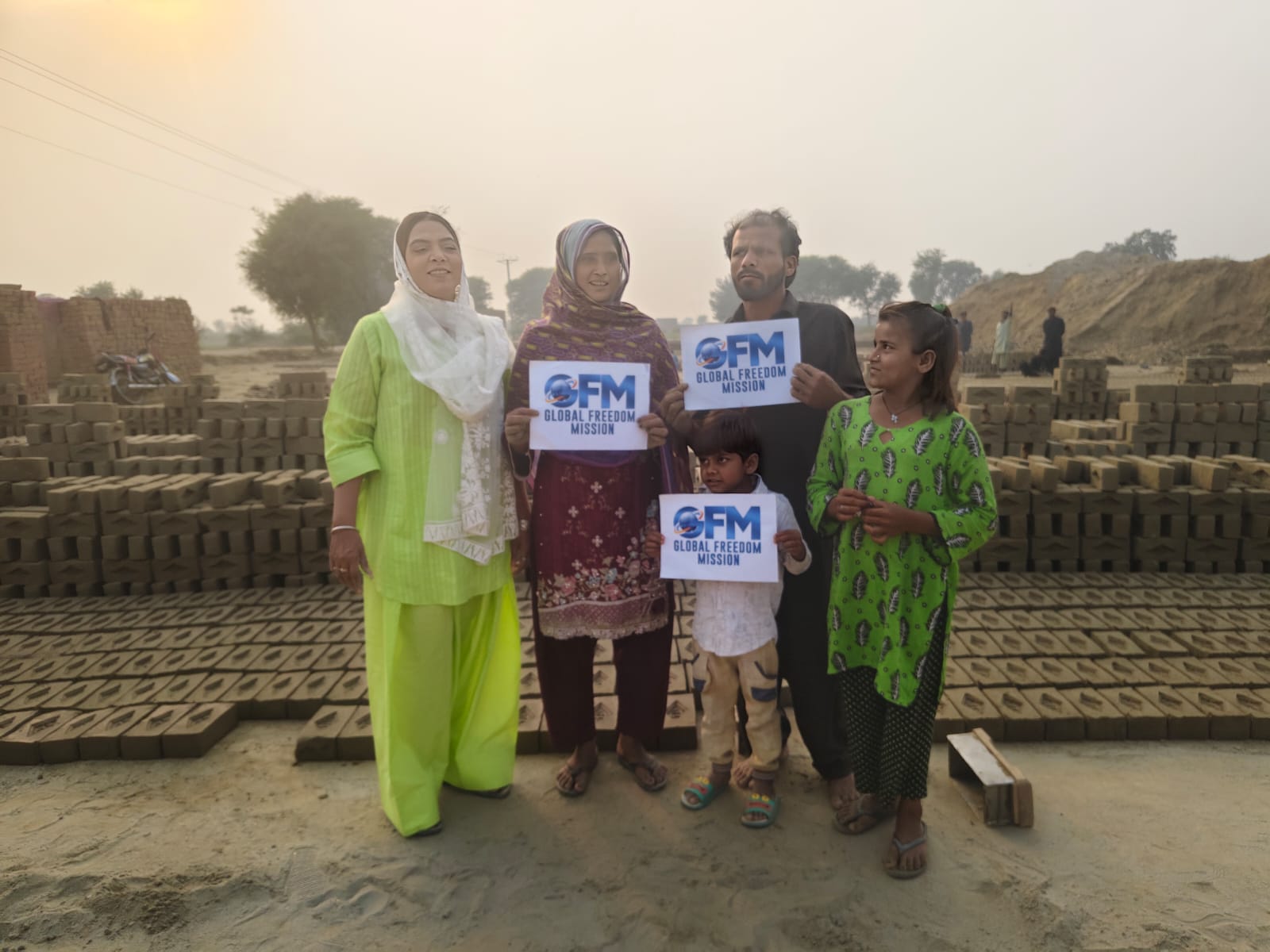
In Pakistan’s brick kiln communities, workers may take an advance to cover food, illness or another urgent need. The amount is then charged against their labor. When wages are low and the records are controlled by someone else, a family can keep making bricks without seeing a clear way out. The National Commission for Human Rights of Pakistan documented this pattern in its 2025 research on kilns in Punjab. It describes entire families, especially women and children, caught in cycles of debt, with poor housing, inadequate sanitation and dangerous work.
What the new research found
The commission surveyed 200 workers, interviewed 25 survivors and consulted labor officials, unions and kiln owners. It reported withheld or unfair wages, missing written contracts, weak social protection and unsafe conditions. These are not just problems at work. When a parent cannot leave a debt behind, children may lose time in school and inherit the same hardship.
Pakistan has laws against bonded labor, yet the commission says enforcement and local oversight remain weak. A person who needs a day’s pay for food cannot wait for a distant policy to become real. Families need wages they can understand, protection from coercion, access to education and a practical route to freedom.
Why Christian families can face added pressure
Bonded labor harms people of different faiths. Religious identity can make an already vulnerable family’s position more precarious. The International Labour Organization has documented the long presence of Christian minority families in brick kiln work. In its 2026 Pakistan chapter, the U.S. Commission on International Religious Freedom reports that Christians and other religious minorities faced violence and fear during 2025, while social barriers kept minorities in low wage and dangerous jobs.
Debt bondage and religious persecution are distinct injustices. They can weigh on the same family at the same time. A Christian family trying to earn a living may also worry about discrimination, an accusation or violence outside the kiln. No one should have to choose between feeding a child and living openly in their faith. Every person, Christian, Muslim, Hindu or otherwise, deserves freedom from coercion and the dignity of honest work.
What GFM has seen at the brick yards
Christopher Tolliver has visited brick kiln communities in Pakistan. One of the needs he encountered was water. He saw people drawing from murky open water sources and brought portable LifeStraw filters, showing families how to use them. A filter can offer practical help, but it does not provide a bathroom, safe washing facilities or a permanent water system. Those deeper needs remain.
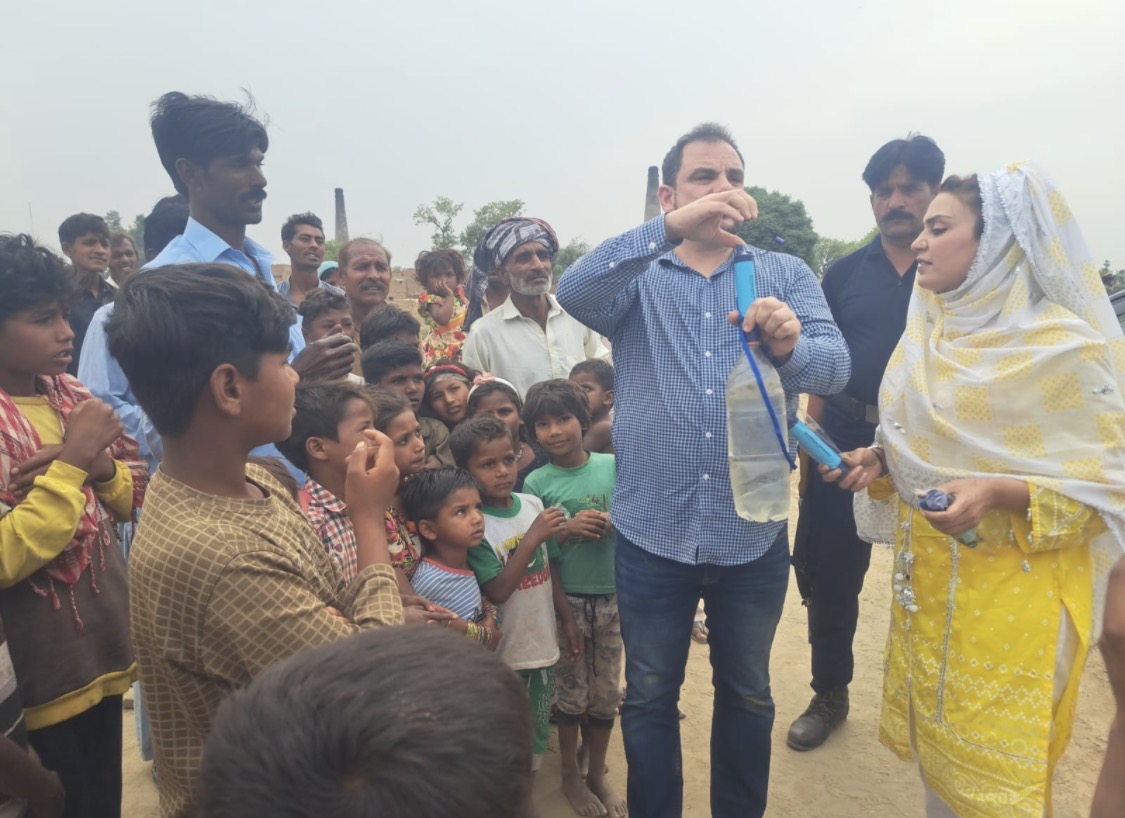
Our field story about clean water shares that visit in more detail. GFM’s hope is to return and help develop lasting access to clean water, including wells where they are feasible. We have not completed a community well, and we will report progress when there is real work to show.
Let My people go: a call for lasting freedom
Christian families can face overlapping pressures, and every family deserves protection from coercion, regardless of faith.
“Let My people go.” Our Christian conviction calls us to stand against bondage and seek justice through peaceful, lawful action.
We call on responsible Pakistani authorities to enforce the law, investigate corruption, prosecute proven offenses and protect families who report abuse. We invite Punjab’s labor, human rights and policing authorities, prosecutors, Pakistan’s National Commission for Human Rights and independent legal advocates to engage with our enforcement and accountability proposal.
Read the reports behind the call
- Human Rights Watch: Contemporary Forms of Slavery in Pakistan, July 1995, historical findings.
- U.S. Department of State: 2025 Trafficking in Persons Report, Pakistan, reproduced by ecoi.net.
- NCHR: Unveiling Exploitation and Abuse in the Brick Kilns of Punjab, 2025, official research summary.
Respond to GFM’s proposal or read the complete plan and church donor guide.
Share this story on LinkedIn · Share this story on X
Copy a message to share
Let my people go. Families deserve freedom from bonded labor, protection and a future. Read GFM’s story and the reports. #EndBondedLabour #Pakistan #HumanRights
Pakistan’s Brick Kilns: Bonded Labor and the Burden on Christian Families
* These reports concern external investigations and provide context, not independent verification of a GFM case. We share them to raise awareness and do our best to verify accuracy before posting. GFM’s donations support humanitarian care, not payments to kiln owners to release families.
Compassion that reaches beyond a headline
The kiln reports ask for stronger labor protections and a real path out of inherited debt. The religious freedom report asks for accountability when people are threatened because of belief. Both call us to see the person behind the statistic: a parent who wants fair work, a child who deserves school, a family that needs clean water and a safe place to worship.
Pray for these families. Read the original reports. Share the truth with care. If you want to stand with Global Freedom Mission’s documented work in Pakistan, visit Get Involved or Support GFM.
* Global Freedom Mission is not involved in the specific cases documented by NCHR or USCIRF. We share their findings to raise awareness and do our best to verify the accuracy of sources before posting. Sources: NCHR, Unveiling Exploitation and Abuse in the Brick Kilns of Punjab, 2025; USCIRF, 2026 Annual Report Pakistan chapter; ILO, A Teacher Like Baji.