Global Freedom Mission • Pakistan
Freedom must last longer than the donation.
A family should be free to leave, earn a fair wage, find a safe home, and send its children to school. That is the future we want to help build beyond debt bondage in Pakistan’s brick kilns.
Proposed initiative • Partnership development
People before promises
A real choice. A stable livelihood. A childhood.
Christopher and Shaista Tolliver have visited brick kiln communities in Pakistan. Those encounters made one thing clear: a payment and a photograph cannot tell us whether a family is truly free.
During our visits, we feed families, pray with them, share the gospel and show love through practical care. Gifts support food, medical assistance, clothing, schooling, clean water and other humanitarian needs. Our call for legal protection and government enforcement is a separate advocacy proposal, not an appeal to pay kiln owners to free people. Humanitarian help does not depend on a family sharing our faith or joining in prayer.
Read Christopher’s firsthand account
What happened when I tried to free families
When I first entered Pakistan’s brick kiln communities, I wanted to free every family I encountered. My concern was sincere, but I was naïve about the risks, the local power structures and the legal work required. I learned that good intentions alone could put other people in danger.
During a later visit, armed men chased our team away. Guns were put against the foreheads of our videographer and photographer, and they were threatened with death over the footage we were taking. My security team rushed me out of the area.
As we were leaving, two trucks carrying armed security personnel arrived at the site. I was taken to a safe location. Other people involved were taken to the police station. I cannot identify the responding unit with confidence, so I describe them here as security personnel.
The incident opened the door to meetings with government representatives. In those conversations, officials apologized and told me I was welcome, but urged me to proceed diplomatically rather than enter kilns trying to free everyone. I understood those discussions as a warning about powerful interests and corruption surrounding the work.
I came away believing we were facing organized coercion and entrenched corruption. My account describes what happened to our team and how I understood it. It does not establish that every kiln owner, ministry or public official is part of a criminal network.
The lesson was not to stop caring. It was to change the method. Lasting freedom requires qualified local legal help, lawful enforcement, independent verification and support that gives families a real choice about their future.
I still want families to be free. I want children in school, adults earning fair wages, and people able to leave a job without threats. I also want churches to know where their money goes. We should help build a system that protects those freedoms instead of repeatedly paying for promises.
Christopher Tolliver’s personal account. Local team members’ identifying details are withheld.
As Christians, we believe every person bears God’s image. The call to let people go must reach beyond a moment of rescue into the ordinary freedoms of daily life.
Our proposed approach connects independent legal support, family stability, education, and decent work. It supports people who want to leave brickmaking and those who freely choose to continue.
Read our firsthand field account
A firsthand meeting in Punjab
Bringing the concerns directly to leadership
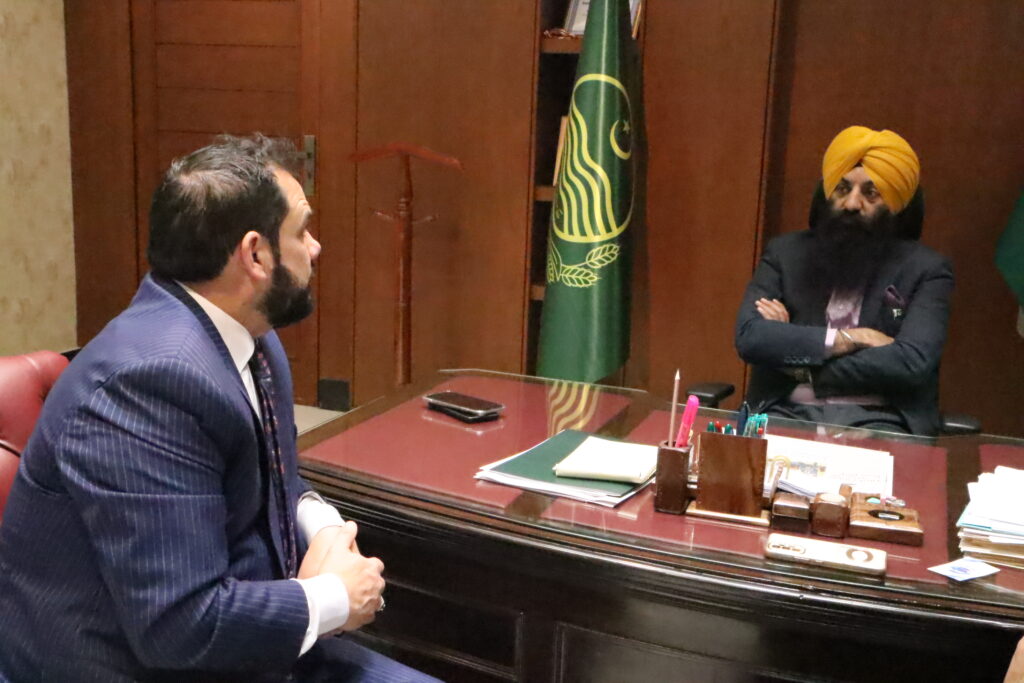
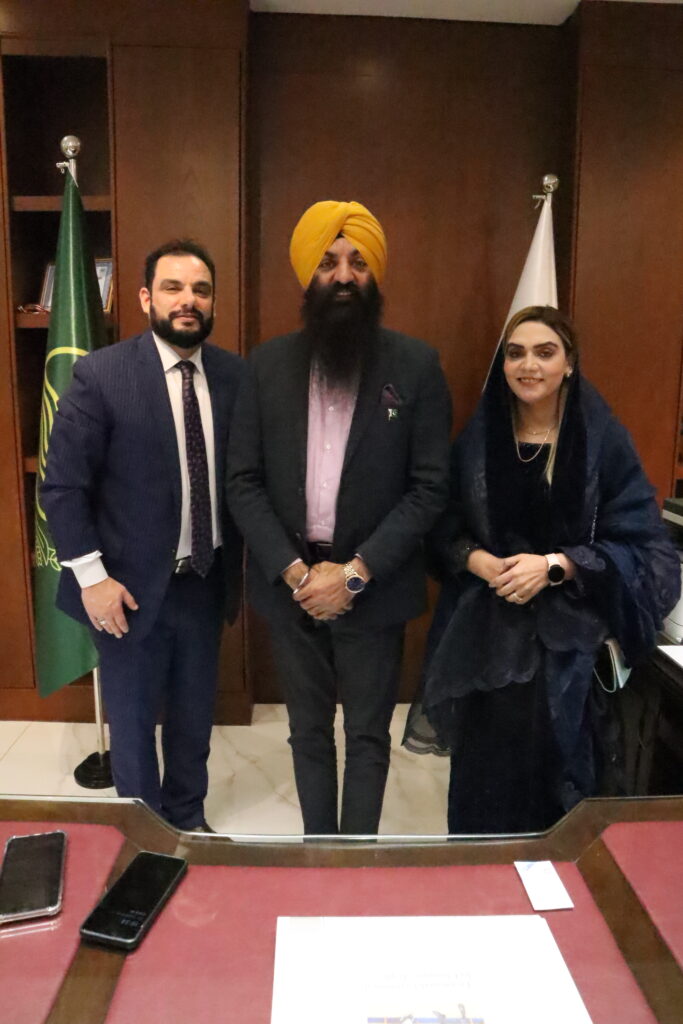
Christopher and Shaista Tolliver met with Sardar Ramesh Singh Arora in Punjab and discussed concerns affecting vulnerable communities and brick kiln families. Those conversations reinforced GFM’s commitment to pursue legal protection, accountable assistance and dialogue with the authorities responsible for enforcing the law.
Our first priority
Enforce the law. Investigate corruption. Protect families.
Ending bonded labor requires more than another promise. GFM calls on the responsible Pakistani authorities to investigate coercion, enforce worker protections and pursue prosecution to the fullest extent of applicable law where evidence establishes an offense. That includes owners, managers, intermediaries and public officials who participate in or protect abuse. A person’s wealth, office or political connections must not place them above the law.
The July 1995 Human Rights Watch report, Contemporary Forms of Slavery in Pakistan, documented police obstruction, punitive arrests and bribery that returned workers to bondage. It called for accountability for employers and complicit officials. This is historical evidence, not a new investigation of today’s officials.
The 2025 U.S. Trafficking in Persons Report on Pakistan described reports of police and labor officers accepting bribes and reluctance to investigate influential alleged perpetrators. It also reported government progress in other areas. NCHR’s 2025 Punjab brick kiln research identified weak District Vigilance Committees and called for stronger oversight. These findings make independent accountability essential.
What we are asking authorities to do
- Reach every kiln: publish a district inspection plan covering registered and unregistered sites, beginning with a practical pilot. Interview workers privately, away from owners and intermediaries.
- Give every complaint a record: provide a case reference, responsible office and written status. Create a route outside the implicated local chain of command when police misconduct or bribery is alleged.
- Investigate those who protect abuse: refer credible evidence of bribery, intimidation, falsified debt records or obstruction to competent investigators and prosecutors. Use lawful arrest and prosecution where the evidence and legal requirements justify them. Seek penalties proportionate to proven offenses, with fair trials and judicial independence.
- Protect people who speak: provide confidential reporting, independent legal help and protection from retaliation for families, witnesses, journalists and honest officials. Arrange safe housing when needed.
- Make freedom practical: end coercion and enforce applicable rules on bonded debts. Support food, drinking water, toilets, health care, schooling, transparent wages and the genuine choice to leave an employer or the industry.
- Show the results: report aggregate inspections, complaints, referrals, prosecutions, court outcomes, official misconduct investigations and family follow-up. Protect identities and explain unresolved cases. A release photograph is not the measure of success.
GFM proposes a written government response within 30 days of receiving the proposal, followed by a district pilot and quarterly public progress reports. These are requested commitments, not existing legal deadlines or an agreed government program. Expansion should follow verified results, with independent worker advocates and safeguards against conflicts of interest.
The 1992 Bonded Labour System Abolition Act established the national prohibition and provisions addressing bonded debts. Qualified Pakistani counsel must confirm the current provincial laws, amendments and competent enforcement route for each case. Technology and investment should follow enforceable worker protections, never replace them.
Our conviction is clear
Moses’ call, “Let My people go,” expresses the conviction behind this work. No family should be held through threats or unlawful bondage. We bring that conviction into a peaceful, lawful demand for freedom, accountability and protection. We seek cooperation with responsible Pakistani leaders and justice for families of every faith.
GFM’s giving appeals remain focused on food, medical assistance, clothing, schooling, clean water and humanitarian care. We are not asking donors to pay kiln owners to release families.
The proposed model
Three foundations for lasting freedom
Rights that reach families
Independent worker interviews, legal review of claimed debts, access to protection, and a safe route out of coercion. No commission tied to the number of people described as freed.
A stable place to rebuild
Food during transition, identity documents, schooling, healthcare, safe drinking water, sanitation, and housing arrangements that preserve a family’s ability to change employers.
Work people can choose
Fair wages, understandable contracts, direct payments, and independent complaints. Explore responsible brick production alongside training and jobs outside the kiln industry.
From conviction to a workable pilot
Our proposed first 90 days
This is a planning roadmap, beginning once qualified local partners and resources are secured. A suggested pilot would support 15 to 25 families in one district, with the final scope set by verified needs and an approved budget.
Listen and verify
Build an independent foundation
Identify a Pakistani labor lawyer, worker advocate, and financial reviewer. Listen privately to families, assess coercion and safety, map local services, and agree on voluntary participation. Prepare a costed proposal before fundraising for the pilot.
Decision point: qualified partners, safe access, and a documented local legal pathway.
Design and cost
Make freedom practical
Develop family transition plans and compare employment options. Price schooling, housing, food, healthcare, transport, water testing and treatment, and legal support. Meet builders and brick buyers to establish demand before considering land or equipment.
Decision point: approved budget, credible buyers or alternative employers, and worker protections.
Start and measure
Launch only when the foundations are ready
Begin an appropriately funded pilot, document payments, and check whether families can leave freely and earn an income. Establish follow up at 30, 90, 180, and 365 days after each family enters the program.
Decision point: measurable freedom, stable earnings, school attendance, and independent feedback.
Budget before promises: publish a locally costed budget covering legal work, family transition, education, essential services, verification, and administration. Separate business feasibility and equipment costs from charitable assistance.
Opportunity without dependency
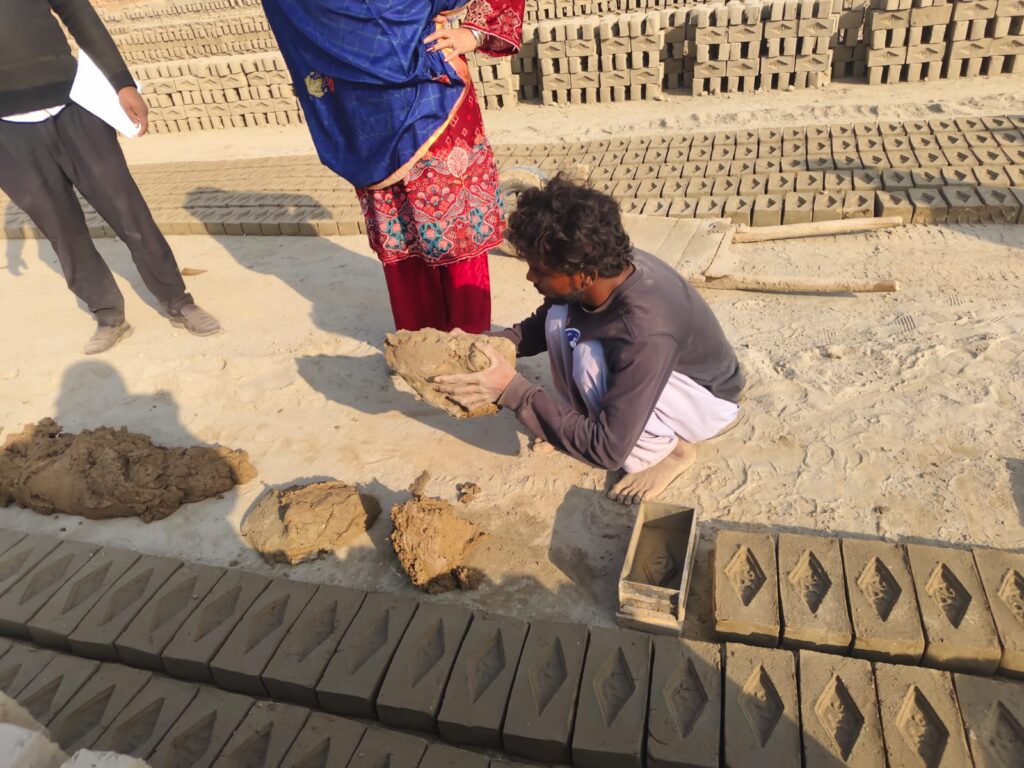
Better bricks. Better conditions. Real choice.
We want to explore whether responsible brick purchasing and cleaner production can support decent livelihoods. Pakistan already has experience with zigzag kiln technology that can reduce fuel use and emissions, documented by the Climate and Clean Air Coalition in 2021.
Our feasibility work would compare upgrading a compliant kiln, leasing an operation, or building a new facility. Buyers, legal requirements, engineering, land title, water supply, and full operating costs must be assessed first.
Technology must improve the lives of workers. Families should be able to choose another employer or another trade, and housing must not become a new means of control.
Evidence and equal protection
Do Christian workers face additional risks?
Bonded labor harms families across faiths. The 2025 U.S. Trafficking in Persons Report says religious and ethnic minorities are disproportionately affected. Its estimate of 4.5 million bonded workers covers multiple industries across Pakistan, not brick kilns alone.
A 1995 Human Rights Watch investigation recorded Christian and Hindu kiln workers reporting greater abuse because of religion. It also found religious discrimination difficult to separate from wider exploitation. This historical evidence does not establish a current national comparison.
GFM proposes research comparing Christian and Muslim workers in the same districts and, where possible, the same kilns. We would examine wages, debts, freedom to leave, religious threats, worship restrictions, and access to police or labor protection, while accounting for differences in poverty, gender, and employment.
Pakistan’s National Commission for Human Rights documented kiln abuses in its 2025 Punjab study. Our aim is to build on credible evidence and listen to workers themselves.
Our Christian faith motivates this work. Every family’s freedom matters.
Support should never depend on a family’s religion, attendance at a church, appearance in a fundraising video, or willingness to work in an associated business.
For churches and supporters
Ask what happens after the payment.
Churches deserve to know where their money goes. Families deserve support that reaches them and lasts.
- Hear from the family privately: confirm what they want and whether they are being coerced.
- Get independent legal review: establish the applicable protection and debt provisions. GFM does not solicit payments to owners or intermediaries to buy a release.
- Follow the money: ask for a written budget, receipts, disclosed fees, and accountable payment channels.
- Plan the next livelihood: identify housing, food, work, school access, and protection.
- Check lasting outcomes: follow up independently months later, beyond photographs and testimonials.
The Bonded Labour System (Abolition) Act, 1992 provides a legal foundation against bondage. Qualified local counsel should establish the applicable provincial process for each case.
For the proposed pilot, GFM would report aggregate outcomes, costs, unresolved needs, and setbacks, while protecting families’ identifying information. Read our Trust & Accountability page.
Working toward enforcement
A practical proposal for government
We propose approaching provincial labor authorities and human rights institutions with Pakistani partners and worker representatives. The request is concrete: an agreed pilot district, a responsible official, independent worker access, functioning complaint and protection routes, and a written timetable for review.
The goal is enforcement that reaches families, alongside targeted reforms where local evidence reveals gaps. Public reporting should make progress visible without putting workers at risk.
Is this pilot already operating?
No. This page presents GFM’s proposed initiative. Local partners, a final budget, a pilot district, and operating arrangements still need to be secured.
Has GFM already built a kiln or a freshwater well?
No. A kiln enterprise and new freshwater wells are future possibilities. GFM has provided pumps for existing wells and individual water filters. Any new water project requires assessment, testing, and funding.
How can businesses participate?
Contact GFM about brick purchasing, engineering, employment, or feasibility support. Any future investment would require a separately reviewed business structure. This page does not offer an investment or promise a financial return.
Help build the next step
Bring your experience to the table.
We welcome Pakistani legal and worker advocates, churches, employers, builders, water specialists, educators, and supporters willing to help turn this proposal into a responsible pilot.
Your gift supports GFM’s current humanitarian care, including food, medical needs, clothing, schooling and practical clean water assistance. We do not raise money to buy freedom or pay kiln owners for releases. The proposed legal reform pilot is separate from this general giving link.
A practical guide for churches and donors
GFM’s donations support practical humanitarian care, not payments to kiln owners to free families. For churches reviewing another organization’s claimed release from bonded labor, require independent local assessment, qualified Pakistani legal guidance, disclosed fees, traceable payments and follow-up. A payment or photograph alone does not prove lasting freedom. Apply the same standards to GFM and every other organization.
Download the church donor report, Word document
The report includes Christopher’s firsthand account, financial records donors should require, a church giving policy and a government outreach plan.
Help turn this proposal into action
Government representatives, Pakistani lawyers, worker advocates, churches and ethical employers are invited to respond. We are seeking a meeting, a named institutional contact and a written response on a possible inspection and legal aid pilot.
Readers are welcome to discuss the proposal in the comments. Comments require approval before publication. Keep family identities, precise locations and sensitive evidence out of public comments; contact GFM privately instead.
Share the call for lasting freedom
Once this page is published, use these links to share it with your church, professional network or community.
Copy a social post and hashtags
Families in Pakistan’s brick kiln communities deserve lasting freedom, fair wages and a future for their children. Global Freedom Mission shares a firsthand account, a practical proposal and a donor guide calling for legal aid, government enforcement and verified accountability. Read the plan, share it with your church and help bring the right partners to the table.
https://globalfreedommission.org/freedom-that-lasts/
#EndBondedLabour #Pakistan #HumanRights #GlobalFreedomMission
On X, you can invite a response from Pakistan’s National Commission for Human Rights by mentioning @nchrofficial. Select the actual account when tagging on other platforms.
* External reports provide context; GFM is not involved in the specific cases described in those reports. We share them to raise awareness and do our best to verify the accuracy of news and sources before posting. Field media on this page comes from GFM’s existing WordPress library.
Stories From the Field · News & Analysis · Bonded Labor & Vulnerable Communities