
What I Saw in Pakistan
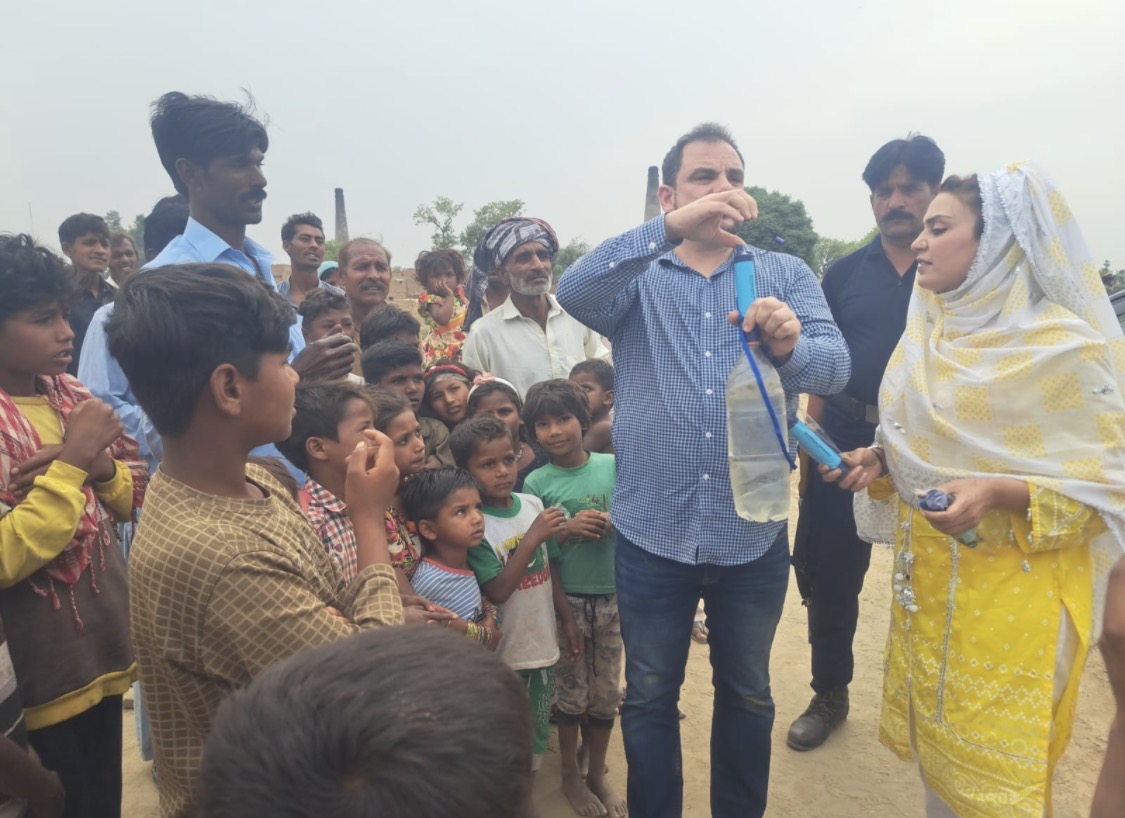
When I visited brick kiln communities in Pakistan, I saw families collecting water from a murky pond. I saw children living beside the brick yards, where even the basics we take for granted, clean drinking water, a place to wash, a safe bathroom, were out of reach.
A Practical Step, Not the Whole Solution
I brought LifeStraw filters with me and showed people in the villages how to use them. That was a practical step I could take while I was there. But I left knowing a portable filter could not solve everything these families face.
Water and Bonded Labor Are Connected
Many brick kiln workers in Pakistan also face crushing debt and bonded labor. Families can become trapped working to repay what they owe, while struggling to meet their daily needs. The people I met deserve to be seen as more than their hardship. They are parents, children, and neighbors who deserve safety, dignity, food, and clean water. Learn more about bonded labor and vulnerable communities.
The Long-Term Goal
My heart’s desire is to go back and help bring lasting water access to these communities by drilling wells where the need, site conditions, and local support make that possible. We have not built those wells yet. Right now, this is the work I want to pursue with the right partners and the resources to do it responsibly. See GFM’s current clean-water assistance and future water goals.
Verified Facts From This Story
- GFM documented unsafe water conditions during field visits in Pakistan.
- Portable LifeStraw filters were brought and demonstrated as practical assistance.
- GFM has not constructed a freshwater community well.
- Future well projects remain a goal and will be reported only as planning, funding, construction, or completion can be verified.
For GFM’s broader reporting standards, review Trust & Accountability.
Let My people go: a call for lasting freedom
Clean water, safe sanitation and freedom from coercion belong in the same conversation about human dignity.
“Let My people go.” Our Christian conviction calls us to stand against bondage and seek justice through peaceful, lawful action.
We call on responsible Pakistani authorities to enforce the law, investigate corruption, prosecute proven offenses and protect families who report abuse. We invite Punjab’s labor, human rights and policing authorities, prosecutors, Pakistan’s National Commission for Human Rights and independent legal advocates to engage with our enforcement and accountability proposal.
Read the reports behind the call
- Human Rights Watch: Contemporary Forms of Slavery in Pakistan, July 1995, historical findings.
- U.S. Department of State: 2025 Trafficking in Persons Report, Pakistan, reproduced by ecoi.net.
- NCHR: Unveiling Exploitation and Abuse in the Brick Kilns of Punjab, 2025, official research summary.
Respond to GFM’s proposal or read the complete plan and church donor guide.
Share this story on LinkedIn · Share this story on X
Copy a message to share
Let my people go. Families deserve freedom from bonded labor, protection and a future. Read GFM’s story and the reports. #EndBondedLabour #Pakistan #HumanRights
* These reports concern external investigations and provide context, not independent verification of a GFM case. We share them to raise awareness and do our best to verify accuracy before posting. GFM’s donations support humanitarian care, not payments to kiln owners to release families.
How You Can Help
Please pray for these families and for the doors to open. If you want to help us move toward clean water and practical support for brick kiln communities, give with purpose or explore more verified field stories.