
Pakistan’s brick-kiln industry sits at the intersection of several difficult problems: air pollution, dangerous work, weak labor protections, poverty, child-labor risk, and debt bondage.
Technology can help address some of those problems. Cleaner kiln designs, better material handling, mechanized clay preparation, improved firing systems, digital records, and transparent payroll systems can make brick production safer and more efficient.
But technology alone cannot end bonded labor.
If modernization simply replaces workers without addressing debt, wages, documentation, education, housing, social protection, and law enforcement, the people already at risk can become even more vulnerable.
The real question is therefore not whether Pakistan should modernize its brick kilns. It is how modernization can happen while protecting workers and reducing the conditions that allow bonded labor to continue.
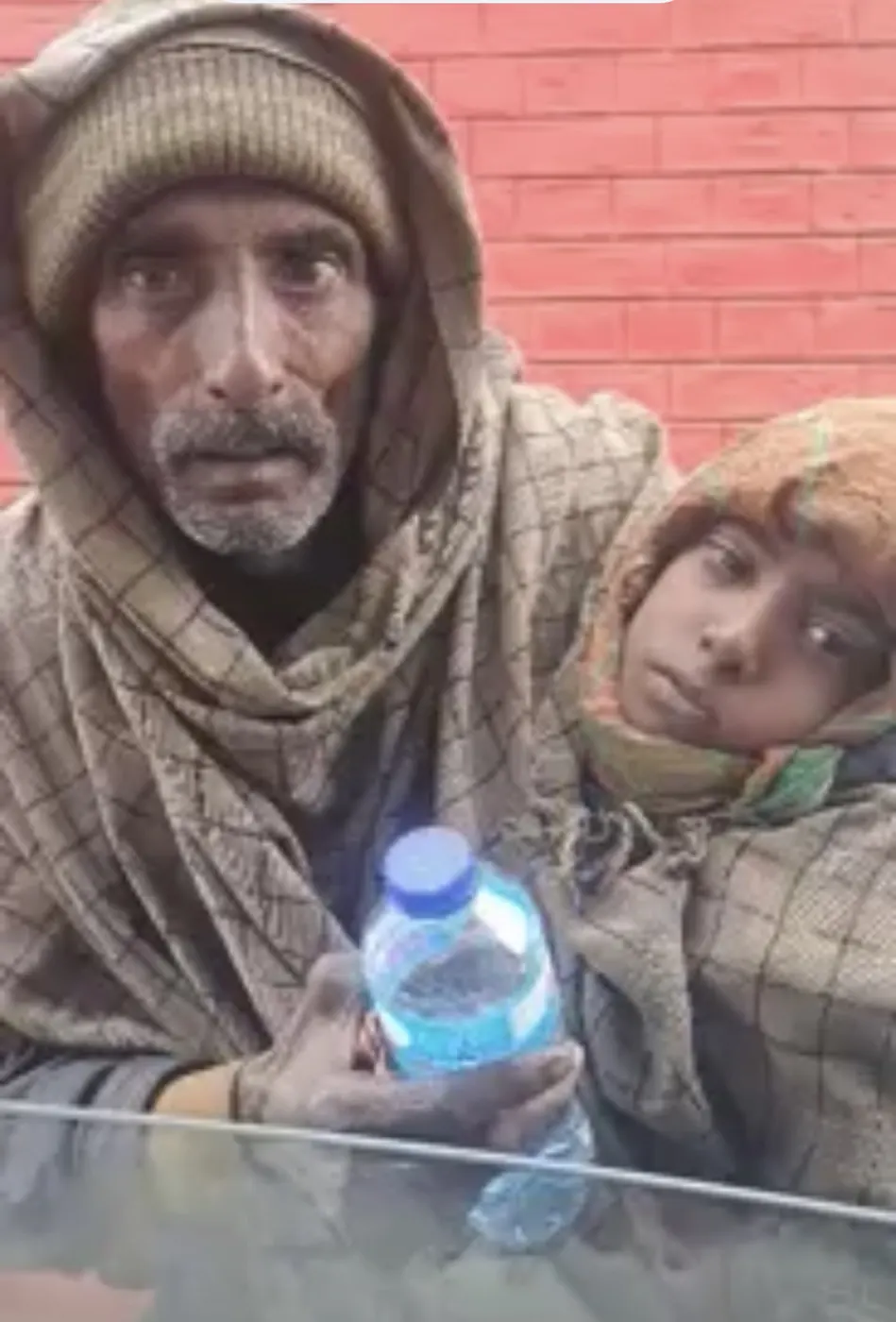
Bonded labor remains a documented problem in Pakistan’s brick-kiln sector
Pakistan’s own National Commission for Human Rights has documented the persistence of bonded labor in the brick-kiln industry.
In material published in 2025, NCHR described Punjab’s brick-kiln sector as one of the country’s most entrenched areas of labor exploitation. Its research reported that more than half of Pakistan’s kilns are located in Punjab and that more than 186,000 workers are employed in the sector.
The commission identified recurring problems including denial of fair wages, lack of written contracts, absence of social protection, unsafe working conditions, inadequate housing and sanitation, and intergenerational debt. Women and children face additional risks.
NCHR has also documented how children in brick-kiln families can become part of the debt cycle. In its reporting to the United Nations Committee on the Rights of the Child, the commission described children working long hours in unsafe environments and noted that family debt can be inherited across generations.
These findings matter because they come from Pakistan’s own statutory human-rights institution, not only from outside advocacy organizations.
The ILO says enforcement problems are part of the problem
The International Labour Organization has studied Pakistan’s brick-kiln supply chain and identified significant deficits involving child labor, bonded labor, labor inspection, and enforcement.
The ILO has reported that major barriers include limited labor-inspection coverage, shortages of inspectors, and resource and capacity constraints. It has also emphasized the importance of social protection, worker rights education, monitoring systems, and economic opportunity.
This is important because exploitation is not caused by one machine, one kiln owner, or one debt agreement. It is reinforced when workers have few alternatives and institutions do not consistently enforce existing protections.
Bonded labor cannot be solved by paying one debt alone
There is a temptation to describe bonded labor as a simple financial problem: pay a family’s debt and the family is free.
Sometimes debt relief may be part of an individual intervention. But systemic bonded labor is more complicated.
A family may leave one kiln only to face the same economic pressures somewhere else if there is no safe housing, reliable income, school access, identification documentation, social protection, or legal support.
Responsible anti-bonded-labor work therefore needs to look beyond a single transaction.
Punjab has already pushed the industry toward cleaner kiln technology
Pakistan is not starting from zero on brick-kiln modernization.
Punjab has spent years pushing brick kilns toward zigzag firing technology. Punjab’s Environmental Protection Agency requires brick kilns covered by its smog-control rules to use zigzag firing systems and comply with environmental standards.
In October 2025, Punjab EPA created a technical committee on brick kilns and reiterated requirements including zigzag firing technology, restrictions on substandard fuels, and environmental compliance.
Punjab’s environmental planning also includes a goal of converting conventional kilns to zigzag or other suitable technology.
The motivation has largely been air pollution and fuel efficiency, but modernization creates an opportunity to ask a broader question: can environmental upgrades also become worker-protection upgrades?
Cleaner kiln technology is not the same as labor automation
This distinction matters.
Zigzag firing changes how air and heat move through a kiln and can improve combustion and reduce emissions when operated correctly. It does not automatically eliminate the large amount of manual labor involved in preparing clay, molding bricks, transporting green bricks, stacking, firing, unloading, and moving finished bricks.
Mechanization is a different layer of modernization.
Possible technologies include:
- mechanized clay crushing and mixing;
- extruders or automated brick-molding equipment;
- cutting systems;
- conveyors for moving materials and green bricks;
- forklifts or mechanical handling systems;
- improved drying systems;
- modern kiln-control and firing systems;
- digital production and payroll records.
These systems can reduce certain forms of repetitive, dangerous manual labor. But they also change the type and number of jobs available.
A worker-centered modernization model would look different
If modernization is meant to reduce exploitation rather than simply reduce labor costs, workers need to be part of the plan.
1. Register workers formally
Workers should be recognized as workers, not treated as invisible family labor. Formal registration can help connect people to wage protections, social insurance, injury protection, and legal remedies.
The ILO has previously documented efforts in Punjab to help brick-kiln workers obtain identity documents and access social-security systems. Identity and worker status can be foundational because people who are administratively invisible have fewer ways to enforce their rights.
2. Replace opaque debt records with transparent accounting
Debt bondage becomes easier to sustain when workers do not have independent records of wages, advances, deductions, and balances.
Digital payroll systems or tamper-resistant written wage records could make exploitation harder to hide.
Workers should be able to see:
- their agreed wage rate;
- how much work was credited;
- any cash advance received;
- each deduction;
- the remaining balance, if any;
- the date and identity of the person recording the transaction.
Records alone do not guarantee justice, but a transparent record is better than a debt figure controlled entirely by one party.
3. Use mechanization to remove the most dangerous tasks first
A worker-centered transition should prioritize tasks that expose people to the greatest physical risk, including heavy lifting, repetitive manual transport, dust exposure, extreme heat, and dangerous machinery.
Automation can reduce exposure when it is introduced with safety training and job-transition planning.
4. Train workers for the new jobs modernization creates
Modern kilns still require people.
They need operators, maintenance technicians, electricians, quality-control workers, logistics staff, supervisors, mechanics, safety personnel, and administrative workers.
A modernization program should include training so existing workers have a realistic path into those jobs rather than being pushed out of the industry.
5. Protect children by protecting household income
Child labor often cannot be separated from household poverty.
If an adult worker earns too little, loses work during modernization, or remains trapped in debt, pressure on children to work can increase.
Education support, adult wage protection, social protection, and household-income stability therefore belong in any serious child-labor strategy.
Explore GFM’s work related to children and education in Pakistan.
Cleaner brick production can support both environmental and human goals
The World Bank and other development institutions have documented the environmental advantages of cleaner and more efficient brick-making technologies in South Asia. Punjab’s own environmental regulators have pursued zigzag conversion because traditional kiln technology contributes to severe air pollution.
This creates a powerful opportunity.
Instead of treating environmental reform and labor reform as separate projects, Pakistan could connect them.
A kiln modernization program could require participating businesses to meet both environmental and labor standards.
For example, financing, subsidies, permits, or technical assistance for kiln modernization could be linked to:
- worker registration;
- written employment terms;
- documented wage payments;
- prohibition of child labor;
- independent debt-record review;
- occupational safety standards;
- social-security enrollment;
- worker grievance procedures;
- school access for workers’ children.
That approach would make modernization more than an environmental engineering project. It would make it part of a broader decent-work strategy.
Government enforcement still matters
Even the best technology will fail to protect workers if labor laws are not enforced.
The ILO’s supervisory bodies have repeatedly urged Pakistan to strengthen enforcement against bonded labor, including improving the capacity of labor inspectors and police to detect and investigate debt bondage.
Punjab already regulates the technical operation of kilns for environmental reasons. That enforcement capacity could be coordinated more closely with labor authorities so that a kiln inspection does not look only at smoke and fuel.
Inspectors could also examine worker records, age documentation, wage practices, social-security enrollment, and evidence of coercive debt.
What Global Freedom Mission believes should happen next
Global Freedom Mission believes that ending bonded labor in brick-kiln communities requires practical, measurable changes.
We support solutions that protect human dignity and reduce dependence on exploitative labor without abandoning the families who currently depend on kiln work for survival.
That means pairing technology with:
- law enforcement;
- transparent wages and debt records;
- worker registration;
- social protection;
- education;
- vocational training;
- alternative livelihoods;
- clean water and sanitation;
- safe housing;
- economic opportunity.
There is no single machine that can end bonded labor. But there are practical systems that can make exploitation harder, work safer, and economic freedom more realistic.
Learn more and take action
Learn more: Read about GFM’s work concerning bonded labor, economic empowerment, clean-water assistance, and children and education.
Read firsthand field reporting: Visit Stories From the Field for verified GFM updates from Pakistan.
Get future reports: Sign up for Global Freedom Mission Field Updates to receive new reporting, field stories, and practical ways to help.
Support the mission: If you would like to help GFM continue humanitarian assistance, education, advocacy, and practical support in vulnerable communities, visit Support Global Freedom Mission.
Partnerships: Organizations working in labor rights, brick manufacturing, engineering, clean technology, vocational training, or worker protection can contact Global Freedom Mission to discuss responsible collaboration.
Frequently asked questions about brick-kiln modernization and bonded labor
Can automation end bonded labor in Pakistan’s brick kilns?
No. Automation can reduce some dangerous and repetitive manual tasks, but bonded labor is also connected to debt practices, weak enforcement, low wages, limited worker documentation, poverty, education barriers, and lack of alternative livelihoods. Technology has to be paired with worker protections and enforcement.
What is zigzag brick-kiln technology?
Zigzag firing changes airflow and brick stacking to improve combustion and reduce emissions compared with many traditional kiln designs. It is primarily an environmental and efficiency technology, not a complete labor-automation system.
How can people support families affected by bonded labor?
Start with organizations that document needs carefully and distinguish immediate assistance from long-term solutions. Learn more through GFM’s bonded-labor resource, explore economic empowerment efforts, and review Stories From the Field.
Sources and further reading
- National Commission for Human Rights Pakistan: bonded-labor research and knowledge products
- NCHR submission on children’s rights and child labor, 2025
- International Labour Organization: fundamental rights and labor deficits in Pakistan’s brick-kiln supply chain
- ILO: decent work and economic empowerment project for vulnerable groups in Pakistan
- Punjab EPA: Technical Committee on Brick Kilns, October 2025
- Punjab Environmental Protection Department: brick-kiln technology mitigation target
- World Bank: cleaner air and brick-kiln technology in South Asia
Editorial note: This article combines official Pakistani government sources, Pakistan’s National Commission for Human Rights, ILO research, and international development research. It distinguishes cleaner-kiln technology from labor automation and does not claim that mechanization by itself ends bonded labor.