

By Christopher Tolliver, President, Global Freedom Mission | October 27, 2026
A Christian mother spent years under a death sentence after a dispute over drinking water. A Muslim governor and a Christian minister were assassinated after defending religious freedom. Their stories reveal a human rights crisis that continues in Pakistan.
How a dispute over water became a death sentence
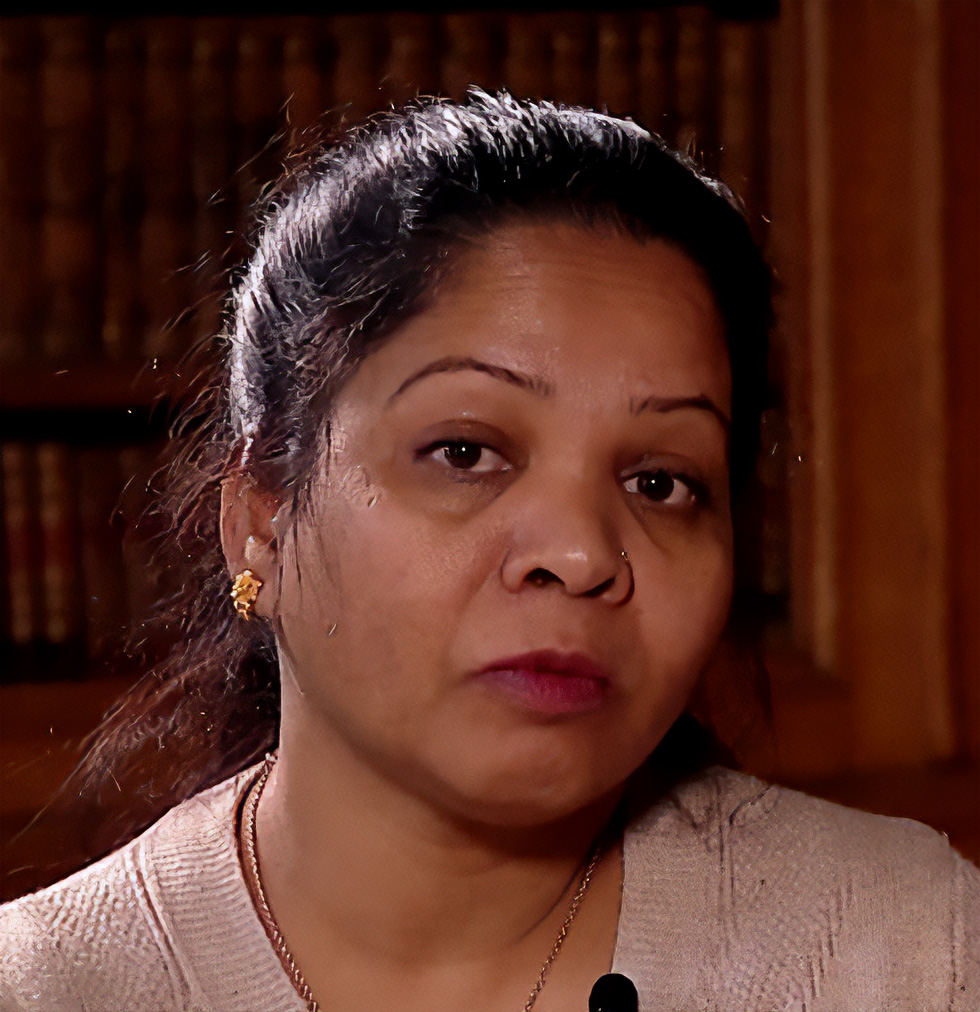
In June 2009, Asia Bibi, also known as Aasiya Noreen, was working in the fields of Punjab, Pakistan. A dispute involving drinking water escalated into allegations that she had insulted the Prophet Muhammad. Testimony later considered by Pakistan’s Supreme Court described Muslim coworkers objecting to accepting water from her because she was Christian. In November 2010, she was sentenced to death under Pakistan’s blasphemy laws.
Asia Bibi spent approximately eight years under a death sentence. The offense alleged in court was blasphemy, not drinking water. But the dispute over water was a critical part of the case’s origins. Behind the legal proceedings was a mother separated from her family and living under the threat of execution.

What Pakistan’s Supreme Court found
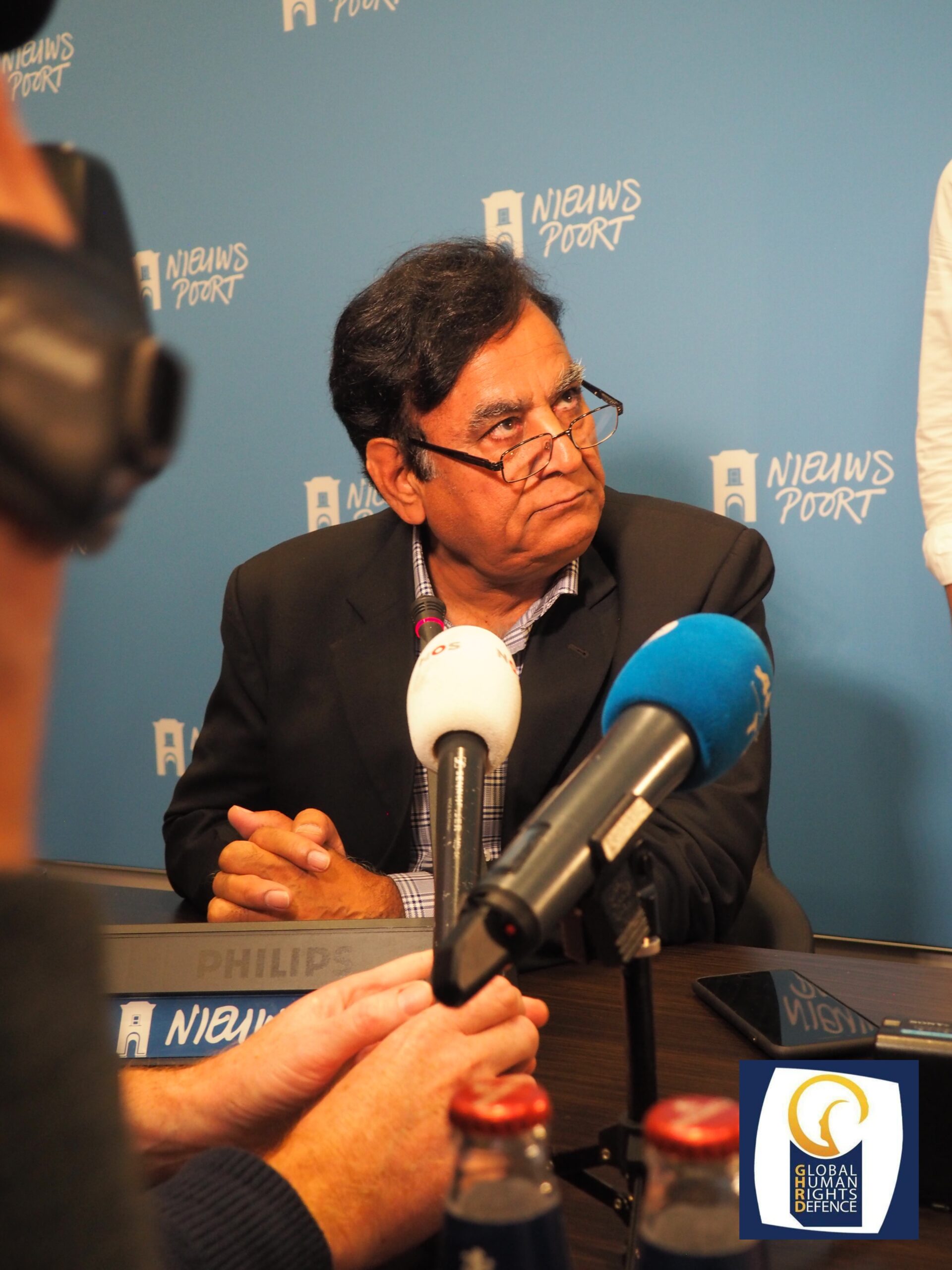
On October 31, 2018, the Supreme Court acquitted Asia Bibi. Judges identified serious contradictions in witness testimony and concerns about an alleged confession. The prosecution had failed to establish guilt beyond reasonable doubt. Her acquittal provoked demonstrations and threats by religious hardliners. Her lawyer, Saif-ul-Malook, faced threats and left Pakistan temporarily. Asia Bibi departed Pakistan in May 2019.

Salman Taseer: the Muslim governor who defended a Christian
Salman Taseer, the Muslim governor of Punjab, publicly defended Asia Bibi and criticized the blasphemy law. On January 4, 2011, his bodyguard Mumtaz Qadri assassinated him. Some hardliners celebrated the killer. His death shows that Muslims who defend religious minorities or challenge extremist violence may themselves face lethal threats.


Shahbaz Bhatti: a Christian advocate assassinated
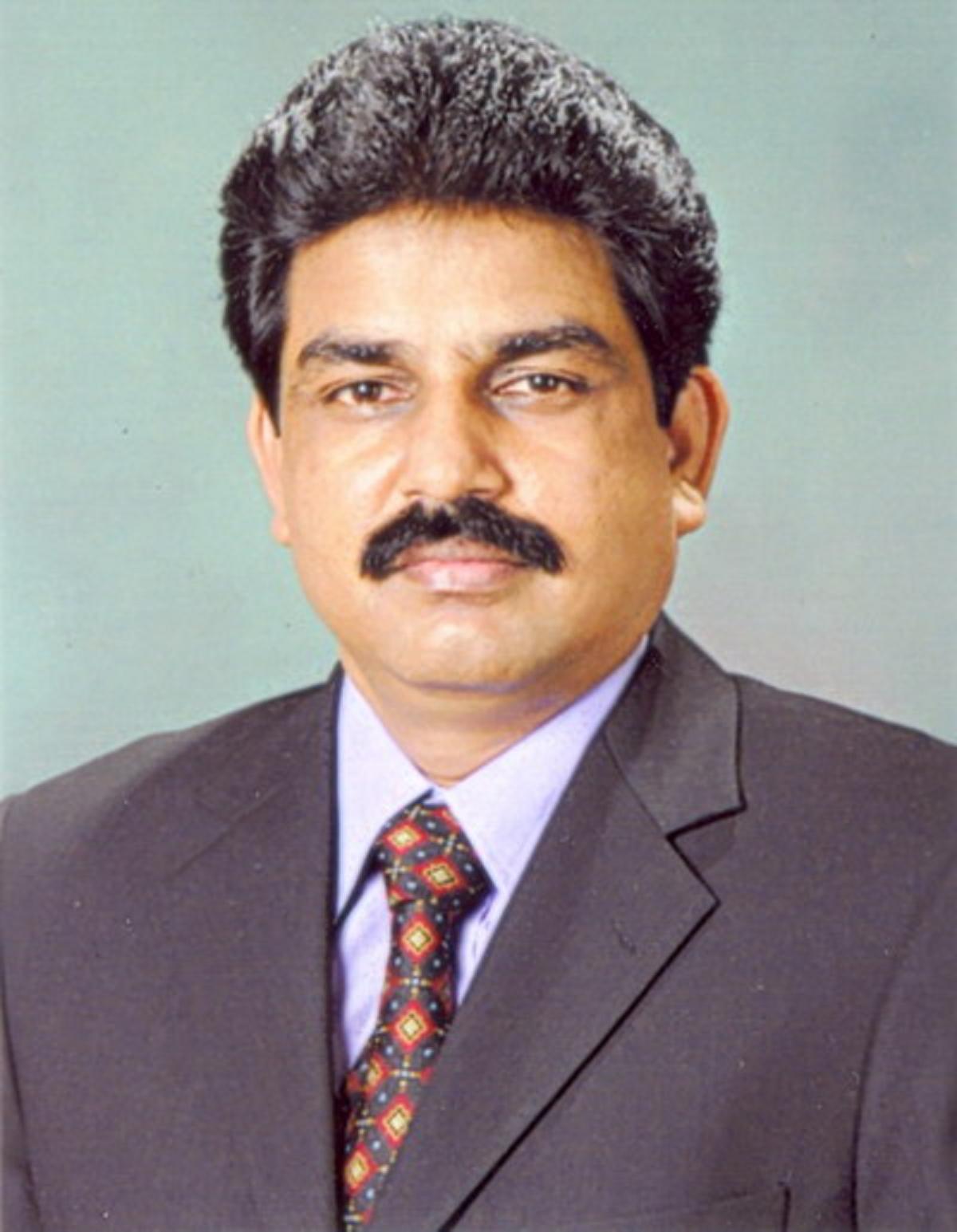
Shahbaz Bhatti, Pakistan’s federal minister for minority affairs, spoke for religious freedom and defended Asia Bibi. He was assassinated in Islamabad on March 2, 2011. Taseer and Bhatti were from different faiths, yet both faced violence after standing against injustice.

Muslim people are not the enemy
I have spent time in Pakistan and met Muslim people who are among the kindest, most compassionate, generous and genuine people I know. They love their families and have shown friendship and respect to Christians. I refuse to confuse them with extremists who use threats and violence to impose their will.
My stand is against religious extremism, persecution and violence, not against Muslims as a people. My Christian faith calls me to defend human dignity. When a Muslim defends a Christian, that courage matters. When a Christian defends a Muslim, that courage matters too. The same principle extends to Hindus, Ahmadis and everyone else. Religious freedom means little if we demand it only for ourselves.
What Pakistan’s blasphemy law actually says
Pakistan’s blasphemy provisions are specific criminal statutes, not a synonym for the broad and varied Islamic legal and ethical traditions described as Sharia. Section 295-C of the Pakistan Penal Code concerns derogatory remarks about the Prophet Muhammad and carries the death penalty under the prevailing legal interpretation. Rights monitors report that no judicial execution for blasphemy has been carried out, but accusations have led to death sentences, prolonged detention, mob violence and extrajudicial killings.
The crisis continues in 2026
Human Rights Watch’s World Report 2026 documents ongoing misuse of blasphemy provisions and attacks on religious minorities. Its 2025 investigation found accusations being exploited for blackmail, property grabs and personal disputes. A July 2026 UK government report cites civil society figures of at least 344 people accused under blasphemy laws in 2024, including 242 Muslims, 49 Ahmadis, 32 Hindus and 20 Christians. Different organizations use different counting methods; their totals should not be conflated.
In October 2026, the Human Rights Commission of Pakistan warned that religious minorities continued to face violations despite legal protections. Its findings included unresolved blasphemy cases, alleged entrapment schemes and violence against Ahmadis, as reported by Dawn.
What justice requires
How can an accused person receive a fair trial if witnesses, lawyers and judges face threats? How can false allegations be investigated without exposing families to mob violence? How can communities protect religious minorities and the Muslims who stand beside them? These are urgent questions of due process, equal protection and human dignity.
A statement from Global Freedom Mission
Global Freedom Mission is a Christian humanitarian organization committed to the dignity of every person. We care deeply about persecuted Christians, but our concern for human rights does not stop with Christians. We recognize Pakistani Muslims who have courageously defended religious minorities. We support peaceful, lawful efforts to protect freedom of religion and expression, prevent false accusations, strengthen fair trial protections and hold perpetrators of religiously motivated violence accountable.
Remember Asia Bibi. Remember Salman Taseer. Remember Shahbaz Bhatti. Remember the people whose names the world has never heard. Religious freedom must protect everyone.
Christopher Tolliver
President, Global Freedom Mission
Frequently asked questions
Was Asia Bibi sentenced to death for drinking water?
No. She was sentenced for alleged blasphemy following a dispute involving drinking water. Pakistan’s Supreme Court acquitted her because the prosecution did not prove its case.
Are Muslims also affected by blasphemy accusations?
Yes. Muslims are accused under these laws, and Muslims who defend accused Christians can face threats from extremists.
Has Pakistan judicially executed anyone for blasphemy?
Human rights monitors report no state-sanctioned blasphemy execution, but death sentences and extrajudicial killings have occurred.